Domain age and SEO: does an old domain really help?
Does domain age affect Google rankings? Here is what Google has said, why older sites often rank better anyway, and what to do if your startup domain is new.
StartupsIntel team · Jul 27, 2026 · 7 min read
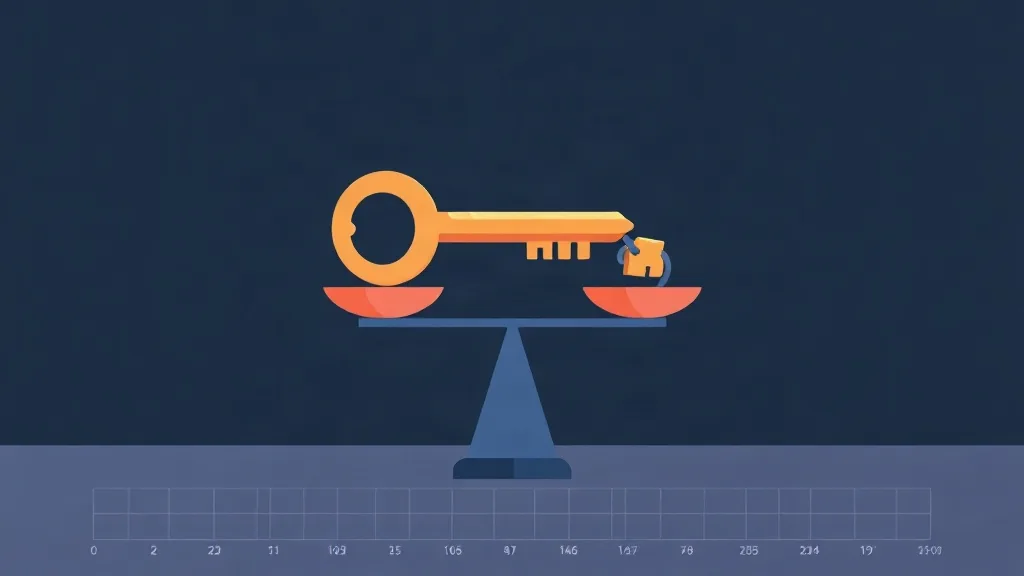
Domain age by itself does not help you rank. Google's John Mueller has said so in public, and the idea that a domain gets a bonus just for being old is mostly a myth. But older sites often rank better for real reasons, such as the links, content and trust they have collected over time.
If you are launching an AI startup on a brand-new domain, that distinction is good news. You cannot buy age, but you can build the things age usually brings.
What Google has actually said
The clearest public statement is short. On April 12, 2017, Mueller replied "no" on Twitter when someone asked whether domain age affects rankings, as reported by Search Engine Roundtable. The same report notes that Google had earlier said domain registration length is not a ranking signal either, and that this is a separate question from how old a domain is.
Other commentators quote similar remarks from later years, though the wording varies by source. The core message has been consistent. Google does not describe domain age as something that gives a page a ranking boost.
There is a nuance worth keeping in mind. Saying age is not a ranking factor does not mean Google has no information about a domain's history. Some analysts argue that history is used in spam detection rather than as a ranking input. That is an interpretation, not an official description, so treat it as an informed guess.
Why older domains often do rank better
Look at the top results for almost any competitive search and you will see many old sites. That correlation is real. It just has other causes.
Backlinks accumulate
A site that has existed for ten years has had time to earn links from blogs, news sites, directories and partners. Links remain one of the signals search engines use to judge which pages are worth surfacing, so old sites tend to hold an advantage here.
Content depth builds up
Years of publishing create a large library of pages that match many searches. That gives the site more chances to appear and more internal links to pass around.
Brand searches and trust
Established brands get searched by name, get cited by others and attract returning visitors. Those behaviors come from reputation, not from a registration date.
Survivorship bias
Many spammy domains disappear within a year or two. The ones still around after a decade are the ones that provided value, which makes age look more important than it is.
In short, age is a proxy. The cause is usually backlinks, content and brand.
Where age can matter indirectly
A few situations make older domains useful, though not because of the date itself.
- A clean history. A domain that was never penalized and never used for spam starts neutral. A domain with a bad past can carry baggage.
- Existing links. If you buy an aged domain that has genuine, relevant backlinks, you inherit some of that value. This is risky. Google's spam policies treat link schemes as spam, and purchasing a domain simply to harvest its links for a different topic can backfire.
- Brand familiarity. If a company keeps an old domain through a rebrand, it avoids losing the trust people already have.
For buyers of existing businesses, domain history is a real due diligence item. If you are looking at a startup on the buy-a-startup marketplace, check how long the site has been live, whether it has changed owners and what its link profile looks like.
What new startups should do instead
You cannot make a domain older, but you can speed up everything that older domains usually have.
- Choose a name you can keep. Switching domains later means redirects and some lost momentum. Our post on choosing .ai, .com or .io can help with the decision.
- Get the technical basics right from day one. Clean URLs, HTTPS, a sitemap and fast pages. The SEO audit checklist lists sixteen checks.
- Publish pages that deserve to rank. Google's SEO starter guide emphasizes content that is helpful, reliable and people-first.
- Earn real links. Launch sites, partner pages, podcasts, guest posts and original research are all legitimate routes.
- Pick low-competition topics first. A new site can win narrow queries long before it can compete for head terms.
Should you buy an aged domain?
It depends on the goal. If the domain matches your brand and you get it at a fair price, age may be a pleasant bonus. If you are buying only to gain a ranking edge, be careful.
Before paying, check these points:
- Archive history. Look at old snapshots on the Internet Archive to see what the site used to be.
- Backlinks. Review the existing links. Spammy or irrelevant ones are a liability.
- Penalty signs. Search for the domain name and for site: results. If a once-active site is barely indexed, ask why.
- Topic fit. A domain that once ran a casino blog is a poor base for an AI tool.
There is also a legitimate rule of thumb. Pay for a good name, not for age.
How to check a domain's age and history
You can find the registration date through RDAP or WHOIS records, which list when a domain was created. Our explainer on how WHOIS and RDAP work shows how to read them.
One caution. Registration date is not always the same as the date a site started publishing. A domain may have been registered years ago, left parked, and only recently put to use. The Internet Archive is better for judging how long a site has really been live.
The StartupsIntel traffic checker shows WHOIS data through RDAP alongside traffic estimates and an SEO audit, which helps when you are comparing several competitors at once. For a long list of domains, use the bulk checker.
A quick checklist for judging a domain's real history
When age comes up in a purchase or a competitor comparison, run through these questions before drawing conclusions:
- When was it registered, and has it changed hands? A recent update to the contact or name servers can indicate a transfer.
- Has it been continuously live? Gaps in the archive suggest the site was dropped and rebuilt.
- Does the topic match? A domain that changed subject completely has little continuity to inherit.
- Is traffic real? Compare claimed visits with an independent estimate.
None of these questions produce a ranking score. They simply stop you from paying a premium for a number that means little on its own.
What the data says about young AI sites
AI is a young market, and many fast-growing products sit on domains registered only a year or two ago. You can see this on the new sites leaderboard, where newer domains appear next to established ones. Strong demand, good product positioning and distribution channels can move a young site up quickly. The leaderboards use modelled visits built from public popularity lists, so read them as direction, not as audited numbers.
FAQ
Is domain age a Google ranking factor?
Google has said no. In 2017, John Mueller answered "no" when asked whether domain age affects rankings. Older sites often rank well because of links and content, not because of their registration date.
Does domain registration length matter for SEO?
Google has also said registration length is not a ranking signal. Registering for several years may be convenient and may help you avoid accidental expiry, but it will not lift your rankings.
Will a brand-new domain struggle to rank?
New sites usually need time to be discovered and to earn links, so early rankings can be slow. Targeting specific topics and building quality pages helps you gain traction sooner.
Is buying an expired domain a good SEO shortcut?
It is risky. If the old links are not relevant to your topic, they offer little value, and link schemes can violate Google's policies. A good brand name is a better reason to buy than a ranking trick.
domain ageseodomainsauthority