Product Hunt, directories and launch sites: lasting traffic?
Do Product Hunt and startup directories bring lasting traffic? Here is what to expect from launch spikes, backlinks and listings, and how to make the effects last.
StartupsIntel team · Aug 23, 2026 · 7 min read
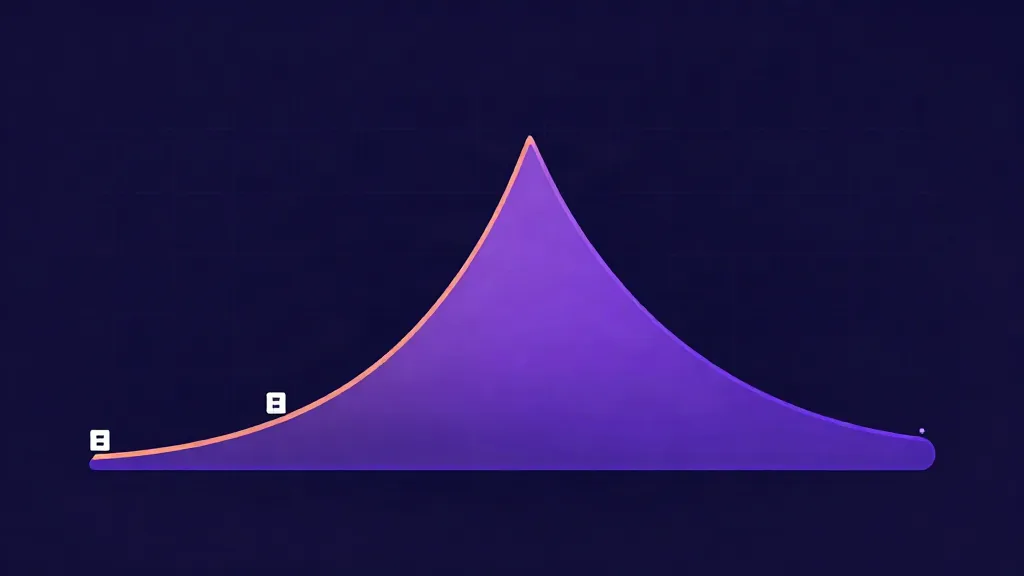
Launch sites such as Product Hunt reliably give you a short burst of attention, but on their own they rarely deliver lasting traffic. The long-term value comes from the listing that stays indexed, the links that people write about you afterward, and the email addresses you collect while the spike lasts.
Directories are different again. They send a trickle rather than a flood, but a good listing can keep working for years. Here is how to think about each, and how to turn a one-day event into something more durable.
What launch sites actually give you
A launch concentrates attention into a window of one or two days. Founders describe a familiar pattern: a spike in visitors, a burst of signups, some comments and upvotes, and then a drop. Commentary on the topic agrees that the spike is real but short, and that what remains afterward depends on what you did with it.
According to several practitioner write-ups, the durable parts of a launch are:
- The listing page, which can stay indexed and show up for searches about your product.
- Backlinks, since bloggers, newsletter writers and communities that watch leaderboards sometimes link to launches.
- Social proof, such as reviews and a visible number of supporters.
- Early users, who can become customers, champions or sources of feedback.
These claims come from founder and agency blog posts, not from audited studies, so treat the exact numbers you see online with caution. Results depend heavily on category and audience. Broad consumer products tend to see larger spikes, while niche tools see smaller ones.
Is the Product Hunt link good for SEO?
This is a point of disagreement. Some writers say the link from a launch page is nofollow, so the SEO value comes from the listing being indexed and from press and newsletters that pick it up. Others describe the launch page and the coverage it attracts as durable links that help search over time.
Do not rely on either claim. Open the page, inspect the link in your browser, and read its rel attribute. Google's spam policies explain that links which are paid or exchanged should be marked with rel="nofollow" or rel="sponsored". A nofollow link still sends visitors, and it can still lead to coverage that does pass value.
Authority scores quoted for launch sites come from third-party tools and vary from one provider to another. Use them for rough orientation, not as promises.
Directories: slow and steady
Startup directories, AI tool directories and software listing sites work differently from launch platforms. They do not create a spike. Instead, they appear in searches such as "best AI writing tools" and send small amounts of steady traffic to well-presented listings.
Their value depends on:
- Relevance. A directory dedicated to your category beats a general list.
- Listing quality. A clear description, good screenshots and accurate pricing outperform a thin entry.
- Traffic of the directory itself. A site nobody visits sends no one to you.
- Link treatment. Some directories pass links, some do not. Both can still bring referral visitors.
The StartupsIntel AI startups directory is organized by category, such as AI video, AI writing and AI agents, which mirrors how people browse. You can use the same logic when judging other directories. Check a directory's own traffic with the traffic checker before you spend time on a submission. Remember, those numbers are modelled from public popularity lists, so use them to compare sites, not to promise results.
Avoid directory spam
Submitting your site to hundreds of low-quality directories is an old tactic that offers little benefit and can look manipulative. Google's spam policies target link schemes made mainly to manipulate rankings. Choose a small set of relevant, respected directories instead.
Newsletters and curated lists
Newsletters often outperform both platforms and directories for quality. A mention reaches subscribers who chose to read the author, and some issues are archived and linked for years. Pitching works best when you offer something specific, such as early access, a discount or an original insight.
What lasting traffic really comes from
Launch sites are a distribution event. Lasting traffic usually comes from three other sources.
- Search. Pages that match what people look for will keep sending visitors. Start with the basics in our SEO audit checklist.
- Referrals and mentions. Every article, newsletter and community post that links to you can keep sending readers.
- Returning visitors. Email, product usage and word of mouth.
If you want to see which AI sites are currently growing, the trending traffic leaderboard and new sites leaderboard show modelled visits and movement. Look at how recent launches fare a few months later.
How to make a launch last
Before the launch
- Build an email list or waitlist so supporters have somewhere to go.
- Prepare a landing page that explains the product within seconds.
- Make sure analytics is working, with the source of each visitor recorded.
- Set up a launch-specific page or offer so you can measure impact.
- Fix technical basics. A slow page wastes the spike.
During the launch
- Respond to every comment quickly and personally.
- Share the launch where your audience already is, without asking for upvotes in a spammy way. Many platforms discourage vote begging.
- Capture emails and offer a reason to sign up now.
After the launch
- Thank supporters and ask for feedback.
- Write a retrospective with real numbers. Founders often link to honest write-ups, which creates new backlinks.
- Pitch journalists, bloggers and newsletters who covered similar launches.
- Update your directory listings with the launch badge or review count, where allowed.
- Convert the interest into content, for example a comparison page or case study based on real use.
Measuring whether it worked
Compare these figures for the two weeks before and after a launch:
- Visitors by source, and the share that came from the launch site.
- Signup and activation rate for launch visitors versus others.
- New referring domains and which ones kept sending traffic.
- Branded search growth, which shows lasting awareness.
- Revenue or paid conversions, if you have a paid plan.
If the spike produced visits but no signups, the fix is usually the landing page or the offer, not another launch.
A realistic expectation
Plan for three layers of results. The first is the spike, which is useful for feedback and early signups. The second is a small tail of visitors from the listing and from people who share it. The third, and most valuable, is whatever you build on top of the event, such as articles, relationships with writers and a stronger email list. If you only count the first layer, a launch will always look disappointing.
When a launch is not worth it
A launch can be a poor use of time if your product is not ready, if your audience does not use these platforms, or if you cannot respond to feedback during the event. B2B enterprise tools, for example, may do better with targeted outreach and partnerships. If you plan to buy advertising to reach founders and builders, see our guide on niche ads for founders.
FAQ
Does a Product Hunt launch help SEO?
Possibly, but not reliably. The listing can be indexed and may attract links from people who cover launches. Check whether the link to your site is nofollow, and focus on the visitors and coverage rather than assuming a ranking boost.
Are startup directories worth the effort?
A few relevant directories are. They send small but steady traffic and can add credibility. Skip mass submissions to low-quality lists.
How long does launch traffic last?
The spike typically fades within days. The remaining value depends on the links, listings and subscribers you capture while it lasts.
Should I launch more than once?
Many founders relaunch after major new features. Do it when you have something genuinely new to show, and not simply to repeat the spike.
product huntdirectorieslaunchbacklinks