How AI assistants like ChatGPT and Perplexity send traffic
AI assistants now send real visitors to websites, but tracking them is messy. Learn how ChatGPT and Perplexity referrals appear in analytics and how to earn more.
StartupsIntel team · Jan 26, 2026 · 7 min read
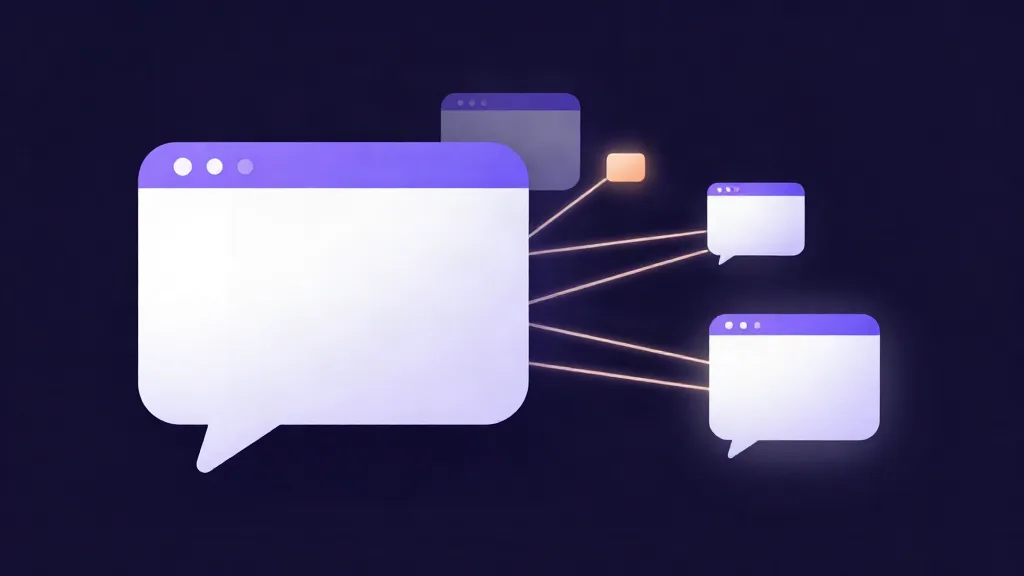
AI assistants send traffic when they cite a web page in an answer and the user clicks the link. ChatGPT, Perplexity, Claude, Gemini and Copilot can all do this, but the volume for most sites is still small compared with Google, and the visits are hard to measure. Some arrive labeled as referrals, some carry a UTM tag, and some are logged as Direct with no clue of their origin.
This guide explains how those visits are produced, how to find them in your analytics, and what you can do to earn more of them.
How an assistant sends a visitor
The path is simple. A user asks a question. The assistant searches or retrieves sources, writes an answer, and shows citations or inline links. If the user clicks one, their browser loads your page, and your analytics records a session.
What gets recorded depends on what the click carries.
- A referrer header. The browser tells your site which page the user came from. Your analytics can then label the source, for example chatgpt.com or perplexity.ai.
- A UTM tag. The link itself may include a parameter such as
utm_source=chatgpt.com. Reports say ChatGPT adds this tag to links in its answers, and OpenAI's own guidance is cited as confirming it. - Neither. If both are stripped or missing, the session is logged as Direct.
In its analysis of AI traffic, Seer Interactive describes this tracking as sitting somewhere between social traffic, which is poorly attributed, and search, which is well attributed. Its advice is to treat any AI traffic number as a directional floor rather than a precise count.
How it appears in Google Analytics 4
GA4 defines Referral as traffic from non-ad links on other sites and apps, and it classifies a visit as Referral when its medium is "referral", "app" or "link", as described in Google's channel group documentation. The same page notes that default channel groups cannot be edited, but you can create custom ones.
In practice, you may see:
| Situation | Where it lands in GA4 |
|---|---|
| Click with a referrer header | Referral, with the assistant's domain as the source |
| Click with a UTM source but no medium | Possibly Unassigned |
| Click with neither signal | Direct |
| Perplexity link | Usually Referral, source perplexity.ai |
Seer also notes that a native AI assistant channel exists in GA4 for recognized platforms, but that it only applies going forward and depends on referrer data. The article gives inconsistent dates for when it launched, so check your own property to see whether it is available. Seer recommends keeping a custom channel group as well, to preserve history and catch platforms the default does not recognize.
Tracking changes happen
Several third-party blogs reported that around early October 2026, ChatGPT links briefly stopped carrying the UTM tag, which made clicks appear as Direct, and that the problem was fixed within roughly a week. Those reports come from secondary sources, so treat them as a reminder that tracking can break rather than as a confirmed fact. If you see a sudden drop in ChatGPT traffic, check for tracking issues before assuming you lost visibility. Keep a log of annotations in your analytics.
How to find AI traffic in your own data
- Create a custom channel group that matches session sources such as chatgpt.com, perplexity.ai, claude.ai, gemini.google.com and copilot.microsoft.com.
- Check landing page URLs for
utm_source=chatgpt.comand compare the count with sessions from the chatgpt.com source. - Look at the Direct channel for unexplained jumps on pages that assistants are likely to cite, such as guides and comparisons.
- Ask new customers how they found you. A "how did you hear about us" field often reveals AI mentions that analytics misses.
- Check server logs for referrers and for AI crawler activity.
None of this is perfect. Plan to track the trend more than the exact count.
What gets you cited
Assistants tend to cite pages that are clear, specific and easy to retrieve. There is no guaranteed formula, and the systems change, so avoid anyone promising certainty. These practices are sensible regardless.
Be crawlable and fast
Make sure important pages are not blocked by robots.txt or hidden behind scripts that fail without JavaScript. Fast, clean pages are also good for traditional search. Our SEO audit checklist covers the basics.
Answer questions plainly
Open pages with a direct answer, then support it with detail. Assistants often quote or paraphrase the clearest passage. Headings that match real questions help both readers and retrieval.
Publish original, useful material
Pages with data, definitions, comparisons and worked examples are more citable than generic summaries. Original data you collect yourself is especially valuable, because other sources cannot easily duplicate it.
Build mentions elsewhere
Assistants often draw on third-party pages when recommending tools, such as lists, reviews, community threads and directories. Being present on respected sites in your category increases the chance of appearing. See what launch sites and directories can offer.
Describe your product clearly and consistently
Use the same plain description of what you do across your site, directory listings and profiles. Ambiguity makes it harder for systems to place you in a category.
Keep facts current
Pricing, features and company details should be accurate and dated. Outdated pages can lead assistants to repeat old information.
How big is this channel?
For most sites it is still a small slice of total visits, and published figures vary by source and method. Because attribution is incomplete, any single number is uncertain. A reasonable approach is to measure your own sessions and conversions from AI sources, and judge the channel by quality. Visitors who arrive after reading a detailed recommendation may be further along in their decision than average, although you should verify that with your own data rather than assuming it.
You can also look at how much traffic the assistants' own sites get. The top traffic rankings and the AI startups directory show how large the AI category has become, based on modelled visits from public popularity lists. Those are estimates, and the methodology page explains the limits.
What to do this month
- Set up the custom channel group in GA4 and annotate dates.
- Pick five pages that could answer questions people ask assistants and improve them.
- Add a "how did you hear about us" field to signup.
- Test your category by asking several assistants for recommendations. Note who is cited and why.
- Look for gaps in your competitors' coverage and fill them. Our guide on competitor research with free tools shows how to do this systematically.
Risks and limits
- No control. You cannot force an assistant to cite you.
- Changing behavior. Products evolve, and so do their citation and linking rules.
- Paid placements. Some assistants may show ads, and Seer cautions that paid and organic AI traffic can blur together in analytics.
- Misattribution. Direct traffic is a mix of many things. Do not credit all of it to AI.
- Answer without a click. Many users will read the answer and never visit. Your brand may still gain from the mention.
FAQ
Do ChatGPT and Perplexity really send traffic?
Yes, they send clicks when users follow citations. The volume is usually modest compared with search, and measurement is imperfect, so track it on your own site.
Why is my AI traffic showing as Direct?
If a click carries neither a referrer nor a UTM tag, GA4 cannot tell where it came from and places it in Direct. Custom channel groups, landing page checks and customer surveys can reveal part of the hidden volume.
How can I get cited by AI assistants?
Publish clear, original, well-structured pages, keep your site crawlable and earn mentions on reputable third-party pages. There is no guarantee, but these steps help in both AI answers and traditional search.
Should I stop doing SEO and focus on AI search?
No. The fundamentals overlap heavily, and Google remains a major source of visitors for most sites. Treat AI visibility as an extension of good SEO and content work.
ai searchchatgptperplexityanalytics